Well, here we are. Ever feel like you’ve been on one of those long car rides where you’re left wind-swept and cramped, wondering how you made it all in one piece, somehow stayed on the road, forward moving and able to drive the distance with enough fuel in the tank to arrive? Somehow, we made it to this moment, just as it is. I’ve been thinking about the energy it takes to sustain tension, and how is it we move through difficulty. It really does consume a tremendous amount of energy to fuel emotions like anger and be carried off course by stress. So, what are our options?
As a child, I thought that anger itself was a problem and the best way to deal with it was to simply not feel it. Just one problem–it shows up anyway. (Enjoy a laughter break.) When we’re seeing clearly, it’s painfully obvious to recognize that denial doesn’t help, nor does dressing up difficult feelings to make them more attractive. There’s not enough lip gloss in the world, and yet, that’s often how we react to angst. Feelings of embarrassment, blame, or maybe even getting downright frustrated and angry at the anger might follow the initial surge.
However, mindfulness invites us to explore big emotions like anger with an attitude of curious kindness. Could it be that anger is a helping feeling, able to warn us when something isn’t quite right, when our own values are being compromised or boundaries have been crossed? When regarded with compassion, might anger be channeled into informed action and engaged citizenship? Anger can serve as the impetus for justice and advocacy responsible for so much necessary change.
Accepting the reality of anger, along with every other emotion, is an essential starting point to finding peace. Big feelings are in indication that we are deeply alive, engaged in “the full catastrophe” as Zorba the Greek had said. (Jon Kabat-Zinn titled his book on the evidence-based 8-week Mindfulness-Based Stress Reduction Program after this quote, Full Catastrophe Living, a nod to the fullness of our human condition.) When we’re able to honor the transformative nature of this powerful emotion, we can harness the energy of distress toward more productive means.
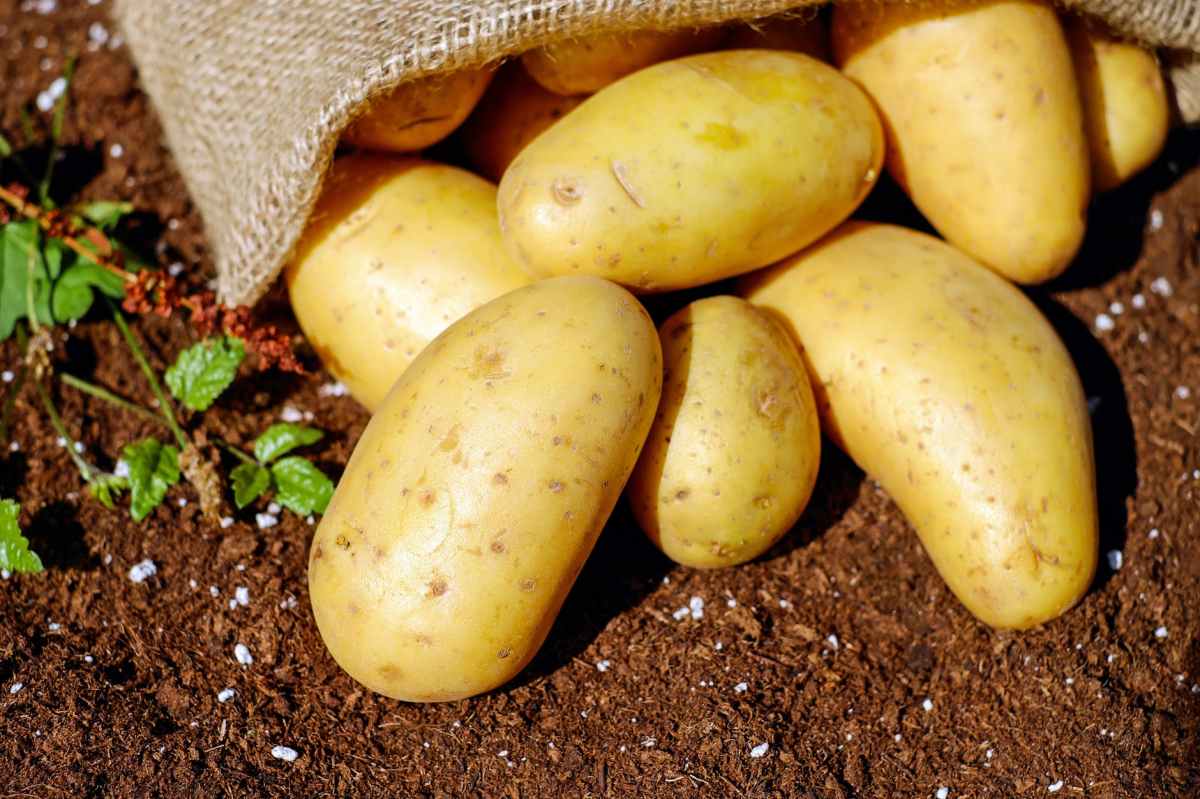
So where to begin? Mindfulness is the wisdom to allow the raw emotion of anger to soften with kind, compassionate attention. Vietnamese Zen Master and peace activist Thich Nhat Hanh has a book on the topic, called Anger: Wisdom for Cooling the Flames. In this book, he uses the analogy of the potato: if you are hungry and bite into a raw potato, it will not be good and will taste bitter. If we tend the fire and allow the potato space to cook, to be transmuted, it will soften in time. Now we can be nourished.
Sounds simple enough. Just boil a potato, right? Yet, we often complicate things and continue the whole miserable endeavor when engaged in this futile feast. Let’s call it full catastrophe dining: complain to our company about the raw potato, blame the waiter for screwing up our order, demand to have a word with the chef who is responsible for the acerbic little spud. But, alas, we are the cooks, and we have only ourselves to sit with. It’s when we’ve listened patiently enough, recognized our own habits of reactivity, sat with kindness through difficulty, perhaps inquiring deeply of ourselves, that we can take in and be nourished by what is in front of us. So, we might start by asking, how might I direct my energy? Can we sit and allow changing conditions to convert anger into usable energy?
Thich Nhat Hahn says, “Your anger is like that—it needs to be cooked. In the beginning it is raw. You cannot eat raw potatoes. Your anger is very difficult to enjoy, but if you know how to take care of it, to cook it, then the negative energy of your anger will become the positive energy of understanding and compassion. You can do it.” If it helps, he encourages practicing mindful breathing and mindful walking while anger softens. Practice peace in every step and patience with our potatoes. They really are best enjoyed cooked, and now we have a recipe for the raw ones.

 As It Is, LLC